
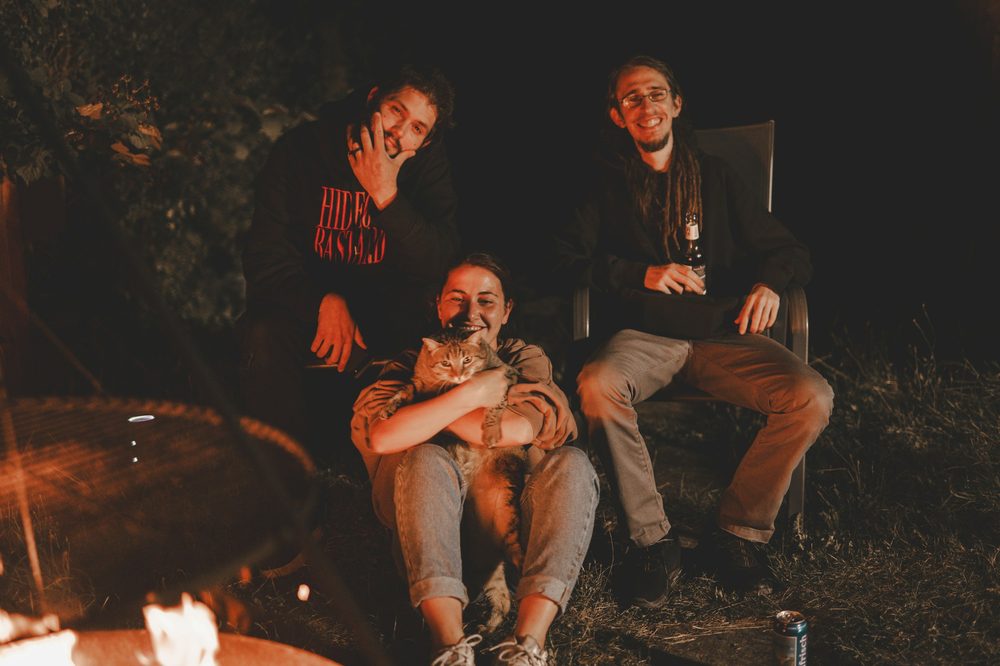
Outdoor movie night noise in Perth is the thing that decides whether a backyard screening becomes a good memory or an awkward chat over the fence the next morning. A film is not loud in the way a band is, but dialogue, music and explosions travel a surprising distance when the air is still and the suburb has gone quiet. The good news is that nearly every complaint can be prevented with a few small decisions made before the night. This guide covers those decisions in the order I would make them.
Know Your Local Noise Rules First
Western Australia has noise regulations, and they are administered through local governments. That means the rules that apply to your street depend on your council, and what is fine in one suburb may be treated differently in the next. I am not going to quote a decibel figure, a curfew or a penalty here, because I cannot promise those details are right for your address and they can change.
What I can say is simple. Before you lock in a date, ring or search your own council and ask what applies to amplified sound at a private home or a hall. Ask about finish times and whether a larger gathering needs anything extra. Our council outdoor cinema guide explains how councils tend to approach public events, and if you are screening to a paying crowd, read the screening licence guide as well. Noise rules and film licensing are separate questions, and both are worth settling early.
Tell the Neighbours Before the Night
A neighbour who has been told is far less likely to complain than one who is surprised.
The letterbox note
About a week out, drop a short note into the boxes of the homes on either side and the ones directly behind you. Keep it friendly and specific. Include the date, the film's start time and the time you plan to finish, plus your mobile number so they can reach you directly rather than stewing about it.
Invite them along
The best noise strategy I know is to invite the people closest to you. A neighbour sitting on a bean bag with a bowl of popcorn is not going to ring anyone about the volume.

Choose a Finish Time and Stick to It
Pick your finish time on purpose, not by accident. Films run longer than listed once you add a trailer or a late start, so work backwards from the time you want the sound to stop.
In summer the sky stays bright late, so a film cannot begin until the picture is visible, and our guide to when it gets dark in Perth helps you pin that down.
Tell the neighbours the finish time in your note, and then honour it. Keeping that promise is worth more goodwill than any apology afterwards.
Screen and Speaker Direction
Where you point things matters more than how loud you run them. Sound leaves a speaker in the direction it faces, so the simplest rule is to aim the speakers away from neighbouring homes and towards your own house, a fence line with no windows beyond it, or open ground.
That decision drives the screen position. Put the screen so that the audience faces your house or a solid boundary, with the speakers beside or ahead of the screen and firing back across the seating. Guests then soak up a good deal of the sound, and what carries outward is lower. Avoid setting up so the speakers face a neighbour's bedroom window across a narrow side path.
Hard surfaces bounce sound around, while lawn, hedges and a crowd of people soften it. Our 3m inflatable cinema screen suits most backyards and is easy to position with this in mind.
Volume Discipline and How Dialogue Carries
Film dialogue is the part that travels. Music and effects are mixed to be felt, but speech is mixed to be clear, and clear speech stays recognisable at a distance even when it is quiet. After dark, with traffic gone and wind low, your film can be understood two or three houses away at a volume that felt modest in your yard.
So set the level by the back row of your audience, not by the loudest scene. Run a test before guests arrive, then walk to the boundary and listen. If you can follow the words at the fence, turn it down a notch and check again.
Watch the jumps between scenes. Action sequences, trailers and advertising breaks are often louder than quiet dialogue. Keep one person near the controls who is responsible for the level, and agree beforehand that they can trim it without asking the room.
The Generator Is the Biggest Noise Source
People worry about the film, but the loudest thing at many outdoor events is the generator. It runs continuously, it drones at one pitch, and it keeps going through the quietest moments of the film. A neighbour can tolerate dialogue for two hours more easily than a motor.
That is why I bring a silent battery inverter instead. It supplies the power for the projector and sound without an engine, so nothing drones under the film. If you want the full comparison of the two, including how each behaves on a long night, read our generator versus battery inverter guide. In short, if noise is your concern, removing the generator removes the largest piece of it.
Bass, Lasers and Party Pack Effects
Low frequencies are the ones that pass through walls and fences, which is why bass is what neighbours hear as a thump even when they cannot make out a word. Keep the bass modest, because a bassy mix feels loud outside the yard long before it feels loud inside it.
The same thinking applies to extras. Our Party Pack adds smoke, bubbles, lasers, disco lights and UV for $250 over 48 hours, and it is wonderful for a birthday or a themed night. Use it with care on a street with close neighbours. Lasers and lights should not shine into windows, and any music for the dance moments should be shorter and quieter than the film. A good approach is to save the loud, bright moments for the early evening and let the night wind down gently toward your finish time.
Guests, Car Doors and a Host on the Gate
Often the real trouble is not the film at all but the arrival and the departure. A dozen car doors closing at 10pm, a group chatting loudly at the kerb and a few revving engines can generate more complaints than two hours of dialogue.
Give guests simple instructions in the invite. Ask them to park considerately, close doors gently and leave quietly.
It also helps to have a host on the gate. One friendly person who greets people, reminds them that the neighbours are close, and sees them off at the end makes a real difference. Stagger the exit if you can, with the credits rolling so people leave in a trickle rather than all at once. For the seating itself, soft options such as bean bag hire keep scraping chairs and clatter to a minimum. If you are planning the rest of the night, our backyard movie night guide and the backyard movie night page cover the setup.
What to Do If a Complaint Arrives
Even a well-planned night can draw a call. How you respond matters more than the complaint itself.
Listen and act on the spot
If a neighbour knocks or phones, take it seriously and be polite. Turn the volume down straight away, then check from their side of the fence. Thank them for telling you directly, because that is far better than a report to the council.
Follow up the next day
A short message or a visit the following day, with an apology and a thank you, usually closes the matter. If an official complaint is made, respond calmly and ask your local council what their process is. Do not guess at the rules. They apply to your property, and the council can tell you what is expected.
Planning an Outdoor Movie Night in Perth Without the Noise
A quiet, considerate night starts with the right kit. If you want a screen that is delivered, set up and packed away for you, with silent power, start at the contact page. Tell me your suburb and how close the neighbours are and I will suggest a layout. We cover Perth and the Peel region up to Mandurah, and the suburbs page lists the areas we visit most. Wet weather is covered in our weather policy, and quick answers sit on the FAQ page.