
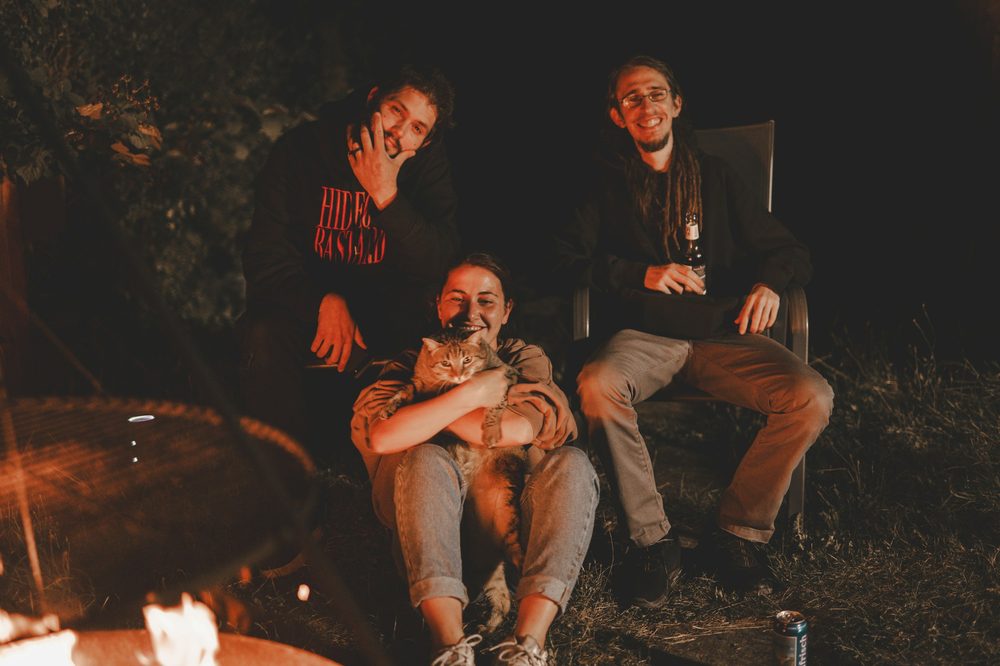
Every suburb has a cul-de-sac where the kids already ride bikes in the middle of the road and the adults already wave over fences. A street party movie night Perth neighbours can enjoy together simply puts a big screen at the end of that road and lets the whole street sit down at once. It needs a few friendly organisers, a handful of letterbox drops and a bit of homework with your local council. This guide covers the lot, written for neighbours rather than clubs or councils.
Who Organises a Neighbourhood Movie Night
Someone has to go first, and it is usually the person who already knows everybody. You do not need a formal group. A committee of three is plenty, and each person owns one job so nothing falls between the cracks.
The committee of three
The first person is the host, who talks to neighbours, collects replies and keeps the mood friendly. The second is the money and paperwork person, who handles the cost split, the council enquiry and the insurance question. The third is the night manager, who looks after chairs, food, kids and the pack-up. Write the three names on the invitation so neighbours know who to ask.
If your gathering grows past a street into a wider group or club, the community movie night guide covers committees in more depth. This post stays with the neighbours.
Letterbox Invitations That Actually Get Replies
Paper still beats a group chat for a street. Pop a simple card in every letterbox about three weeks out, and put one on the doors of any house that looks quiet. Keep the wording short and warm.
Include these details on the card:
- The date, a rain date and the rough start time.
- The film, or a note that the street will vote on it.
- A phone number or email for the host.
- A reply-by date so you can lock in the numbers.
- A line saying bring a chair, a rug or a plate to share.
A reply-by date matters more than anything else on that list. You cannot book a screen size or work out a fair split until you know roughly how many households are in.
Splitting the Cost Between Households
A shared screen is far cheaper per household than most people expect. The 5m community screen starts from $600 and is all-inclusive, with the projector, PA, cabling, delivery, setup and pack-down covered. As an example, thirty households chipping in would each pay $20, and a bean bag for the little ones is $11 each if you want some extras.
A few ways to keep it fair:
- Set a flat amount per household and make it clear that paying is optional for anyone who is struggling.
- Ask the money person to hold the funds in one place and share a short receipt.
- Pay the deposit as soon as enough households commit, because the deposit secures your date.
- Count extras such as a sausage sizzle or lights separately, so the screen cost stays clean.
For a smaller court with a dozen homes, the 3m inflatable screen from $280 can be the better fit. Our screen size guide helps you match the picture to the number of seats.
A Street Party Movie Night in Perth, Step by Step
Here is the order that works for most streets, and it saves a lot of last-minute scrambling.
- Pick the three organisers and a target month.
- Ask your council whether you need approval for the space you have in mind.
- Deliver the letterbox cards and collect replies.
- Confirm the numbers, choose the screen and pay the deposit.
- Settle the film, the food and the rain plan.
- Walk the site a day before and mark where the screen, seating and walkways will go.
Our team handles the screen end. Your street provides the space, a power point and the film, while our crew delivers, sets up and packs away. If you are not sure we reach your area, check the suburbs we cover, which takes in Perth and the Peel region up to Mandurah.
Council Approval, Road Closures and Insurance
This is the part neighbours skip, and it is where good nights get stopped. Closing a road, using a verge, or holding an event in a local park generally needs approval from your local government. Rules differ between councils, so ask your own council before you promise anything to the street. Do not rely on what a friend in another suburb was told.
What to ask your council
Ask whether a street closure or temporary use of the verge or reserve needs approval. Ask how much notice they want, and whether they have a form for small community events. We do not quote fees or forms here because they vary, and the council is the only reliable source.
Public liability
Councils often ask about public liability cover for events on public land. Our business carries $10M public liability, which covers our equipment and crew, but it does not replace whatever your council asks of the organisers. Ask them what they expect, and check your own home insurance if the event is on private land.
Licensing the film
A private event with invited guests does not need a film licence. A street party open to the public is a grey area, particularly if you promote it widely or charge entry. If in doubt, read the WA movie screening licence guide and check before you publish the event. If your council ever runs its own programme, our council cinema guide shows how that side works.
Choosing a Film for Mixed Ages
A street has toddlers, teenagers, parents and grandparents all on the same road. Pick for the youngest child likely to stay up, because a film that frightens a five-year-old ends the night for their family.
Nearly everyone is happy with an animated adventure or a classic family comedy. Save the thriller for a different night.
Power, Noise and Finish Time
You will need one power point within reach of the screen, or a safe extension from a neighbour who has agreed. Where mains power is far from the seating, we can bring a silent battery inverter instead of a noisy generator. The generator versus inverter guide explains the difference in plain terms.
Noise is the other point to settle early. A sound system is a lot louder than a backyard barbecue, so tell the homes closest to the screen and aim the speakers away from them. Agree on a finish time on the invitation, and stick to it. Most street nights wrap up shortly after the credits.
Start time depends on the sun. Dusk comes much earlier in winter than summer, so check the sunset times for Perth before you print the cards. A bring-a-plate supper before the film fills the gap while you wait for the light to fade.
The Rain Plan
The screen and projector cannot run in rain, so a rain plan is a requirement rather than a nice extra. Choose a rain date when you send the invitations, and decide by a set time on the day whether to go ahead. Waiting until the first drops fall helps nobody. Our weather policy sets out how we handle forecasts, and the earlier you decide, the less stress for everyone.
Some streets also nominate a covered carport or garage for supper, so the food is safe even if the film moves.

Safety With Kids and Cars
A road full of children and a screen in the dark needs a little structure. These habits cost nothing and prevent most problems:
- Close or block the road properly, with approval, and keep through traffic out.
- Ask residents to park away from the seating area before the film starts.
- Keep cables taped down or covered across any walkway.
- Mark a clear aisle for people heading to the toilet or home early.
- Give the night manager the job of watching the youngest children near the road.
- Keep torches and a small first aid kit handy.
For comfort, a few hired bean bags work well at the front, and the Party Pack at $250 for 48 hours suits a smaller gathering with extra gear. Everything else comes down to your neighbours bringing chairs and a smile.
Booking Your Street Screen
Tell us your street, rough numbers and a preferred date through the contact page, or call Alex on 0433 951 928. You will get an all-in price back, with delivery included for most of Perth and the Peel region. A deposit locks the date, so book once the numbers are firm, and have your council answer in hand. Warmer weekends fill early. For wider questions, the FAQ page covers the rest.