
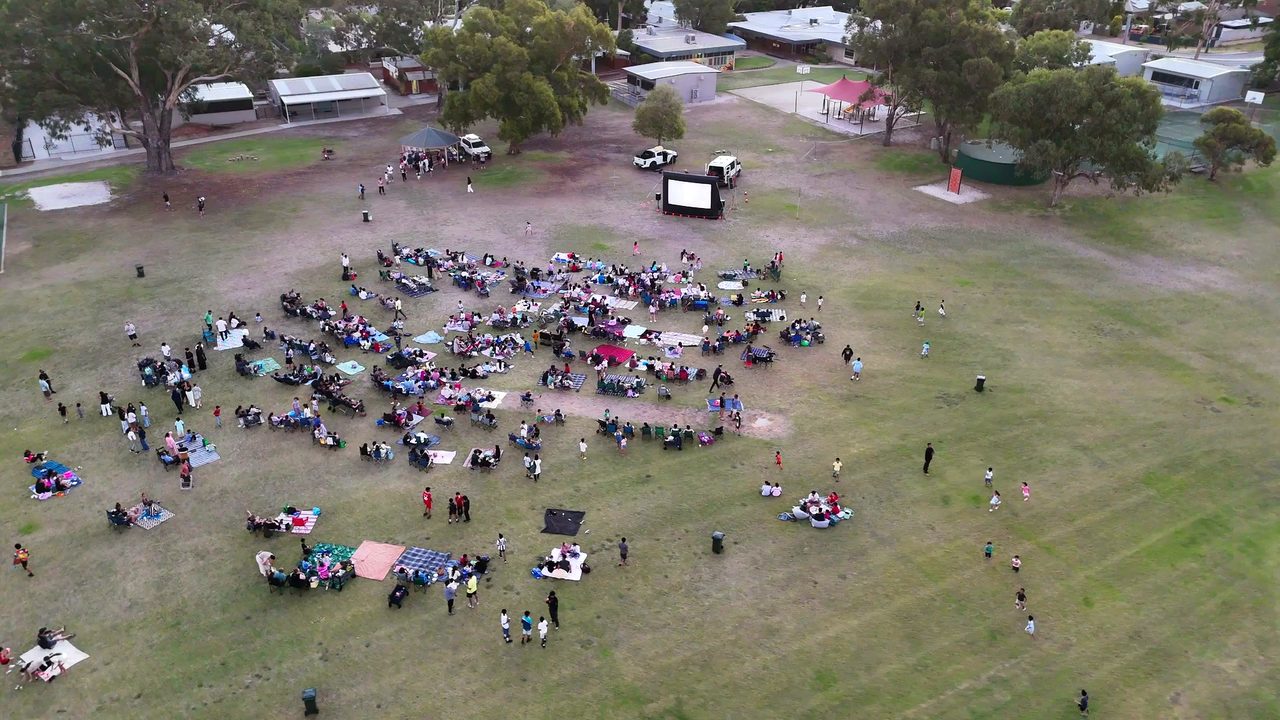
Somebody in your group chat has already said it. "Why would we pay $280 to hire a cinema when Kmart sells a projector for $35?"
It is a fair question, and most hire companies dodge it. I will not, because the honest answer is more interesting: sometimes DIY genuinely is the right call, and I will tell you exactly when. But the maths, and the physics, are not as simple as the price tags suggest.
I run Perth Pop-Up Movies and I own more projectors than any reasonable person should. I have watched every possible version of a backyard movie night go sideways since 2020. Here are the real numbers, both ways.
Is it cheaper to buy a projector than hire one?
On the sticker, yes. A budget projector costs less than one hire. That is why this question gets googled thousands of times a year.
But you are not comparing a projector to a hire. You are comparing a complete, working, guaranteed cinema night to a box of parts you have to assemble, test, troubleshoot and store. The projector is maybe a third of a usable DIY setup, and the setup is maybe half of a successful night. The other half is brightness, audio that reaches the back row, and having a plan when something fails at 7:45pm with twenty guests on the lawn.
So the honest framing is: DIY wins on price per unit of gear. Hire wins on price per successful night, until you use the gear often enough. Let us put numbers on both.
What a DIY setup actually costs in 2026
Here is a realistic shopping list at current Australian retail prices, checked July 2026, using gear that is easy to find at Kmart, Bunnings and JB Hi-Fi stores right across Perth. I have skipped the absolute junk tier and the enthusiast tier and priced the gear people actually buy for a backyard night.
- Projector: $35 to $230. Kmart's Anko 720p mini projector sits around $35 and the viral Anko 1080p smart projector runs about $150 to $229 depending on sales. Amazon AU is flooded with similar units in the $100 to $250 band. Budget for the 1080p tier if you want any hope outdoors, so call it $150 to $230.
- Screen: $30 to $260. A white bedsheet is free but wrinkles, breathes with the wind and eats brightness. Amazon AU folding fabric screens start around $34 to $80. Bunnings stocks 100 inch screens from about $140 and 120 inch motorised units around $260. A screen with a proper frame or stand is roughly $100 to $190.
- Speaker: $95 to $150. The projector's built-in speaker will not cover a backyard. A JBL Flip 6 runs about $95 to $130 at JB Hi-Fi and Amazon AU, and that is genuinely the minimum for outdoor dialogue.
- Cables and streaming: $30 to $80. HDMI lead, an extension cord rated for outdoors, possibly a streaming stick if the projector's built-in apps are laggy (they usually are).
- Stand or table for the projector: $20 to $60. Projectors balanced on eskies fall off eskies. Ask me how I know.
Add it up honestly: about $330 at the ruthless low end, $450 to $650 for a setup that will not embarrass you, before you have bought a single bean bag or a blanket.
What the cheap gear actually delivers
This is the section the price tags do not tell you, and it is where most DIY nights fall over.
Brightness: the lumen shell game
Budget projector listings quote "lumens" without saying which kind, and the difference is enormous. The honest standard is ANSI (or ISO) lumens, measured across the projected image. Marketing figures like "LED lumens" or "light source lumens" measure light at the lamp before the optics lose most of it.
In my experience testing dozens of these projectors, one claiming 1,000 LED lumens usually puts out something like 400 real ANSI lumens on the screen. One claiming 1,000 light source lumens can be as low as 40 to 60 ANSI, barely enough to light a hallway. A box shouting "9,500 lumens" can be a 200 ANSI lumen projector wearing a costume.
Outdoors you need roughly 500 ANSI lumens as an absolute floor in full darkness on a modest screen, and around 1,000 ANSI for a 100 inch image. You want 3,000 ANSI or more if you plan to start at dusk or run a big screen.
Most sub $250 projectors sit somewhere between 100 and 400 real ANSI lumens. They can look fine in a blacked out bedroom and produce a grey ghost of a picture on the back fence at 7pm.
First-hand observation: the busiest my phone ever gets in Perth is between 7pm and 8pm on summer Saturdays, and a decent chunk of those calls are people whose DIY projector cannot beat twilight. The picture they tested in the lounge room at night simply does not exist outside until 8:30pm, and by then the kids' party is ending. There is nothing I can do for them that night. That call is miserable for both of us.
Audio: one small speaker vs twenty people
A single Bluetooth speaker pointed at a crowd sounds fine for the four people nearest it. From row three back, dialogue turns to mush the moment anyone talks, a plane goes over or the sea breeze picks up. Movie audio is mostly dialogue, and dialogue is the first thing an outdoor space eats.
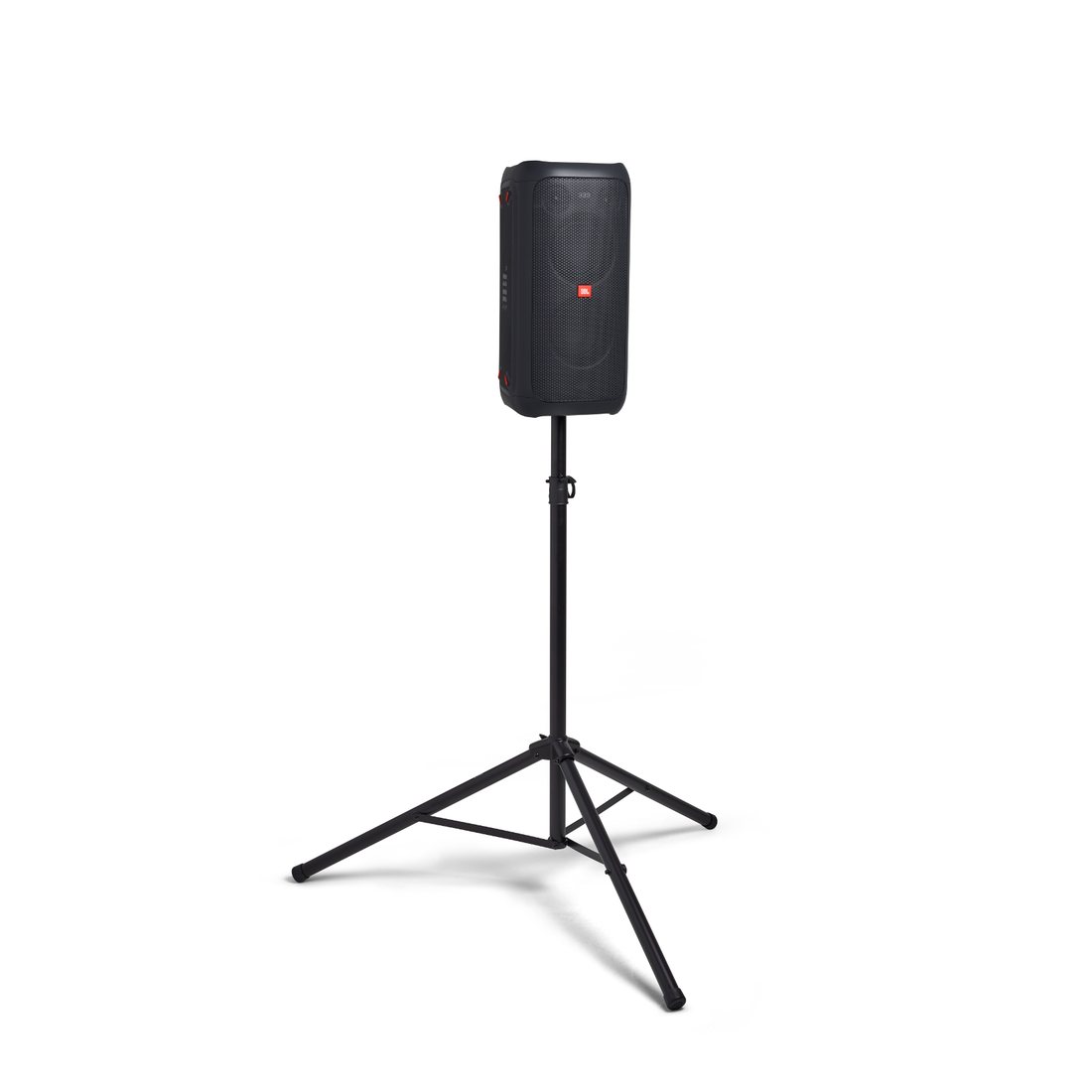
For 20 plus people you want a proper PA style speaker on a stand at head height, which is exactly what comes standard in our cinema packages. Bluetooth also adds audio lag on many budget projectors, so mouths and words drift out of sync.
What actually breaks
Second first-hand observation: in six seasons the failures I see and hear about are rarely dramatic. It is HDMI handshake errors, a projector that overheats and shuts down mid film, or a streaming app that will not sign in. It might be Bluetooth that drops every few minutes, or a sheet screen that pulls loose in the wind. Each one is a ten minute fix if you have spares and experience, and a night-ender if you do not.
What hiring costs and what you actually get
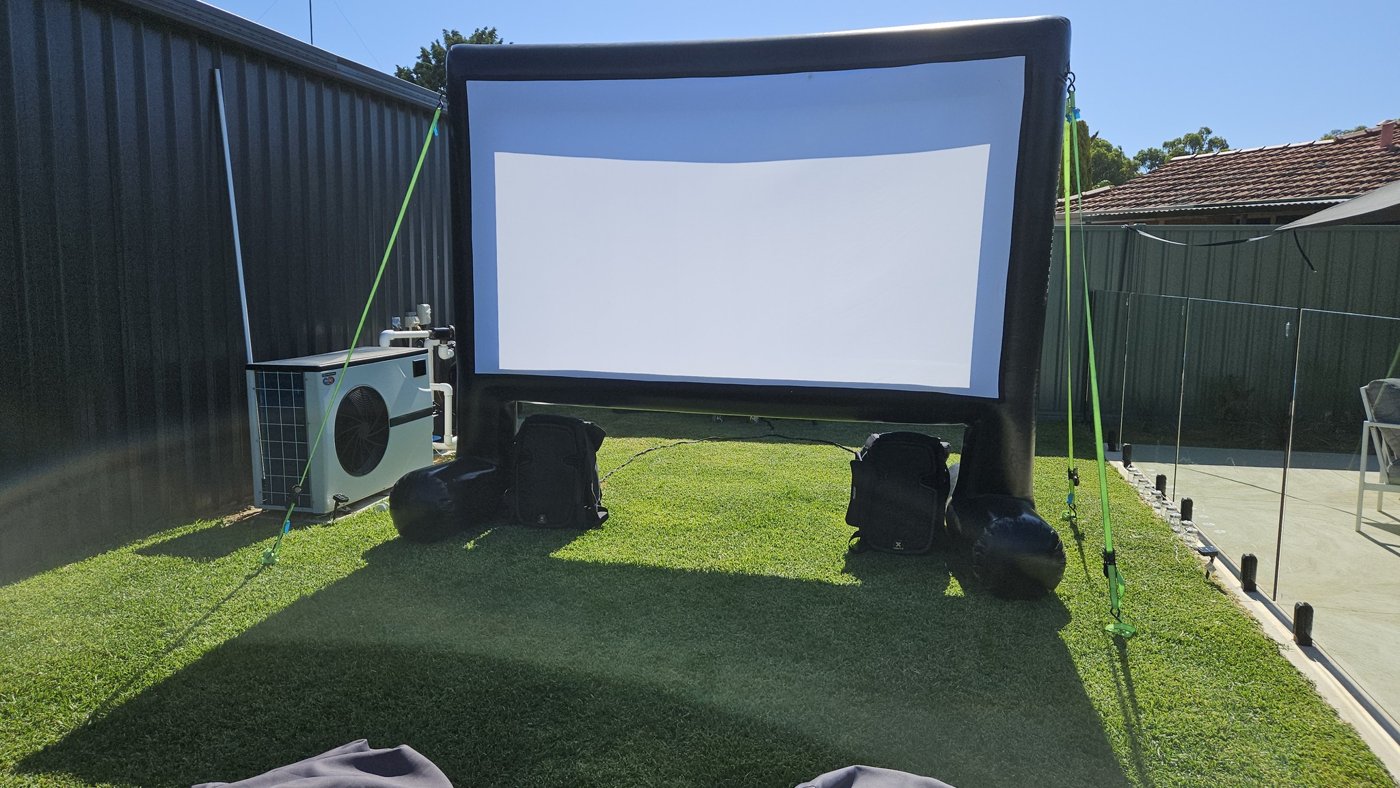
Our backyard packages start from $280 for either the 3m inflatable screen or the 3m framed screen, both rated for up to 30 guests. That comfortably covers the size of most backyard parties we set up around Perth, and that price includes:
Hire from $280 includes
- 3m cinema screen, inflatable or framed
- Cinema-grade projector that beats a Perth summer evening
- Full sound system that reaches the back row
- Delivery, setup and testing before dark
- Pack down and removal afterwards
- Backup gear on the van
- $10 million public liability insurance
- You give it back on Monday
DIY $450 to $650 gets you
- You own it and can use it any night, free
- Projector doubles as an indoor telly
- No booking, no delivery window
- 100 to 400 real ANSI lumens, twilight is your enemy
- One small speaker for the whole yard
- You are the setup crew and tech support
- No backup when something fails on the night
- Storage, lamp degradation, no insurance
Delivery is free within 20km of Kwinana, then a per kilometre rate applies. Prices are the same every day of the year with no weekend surcharge. Bigger community screens run $450 to $1,100 with staffed operation on the large formats, and add-ons like bean bags at $11 each round out the night.
If you are weighing up screen types, our inflatable vs framed comparison covers that decision properly, and our full outdoor cinema hire cost guide breaks down every line item behind that $280.
Cost per use: the honest maths both ways
This is the only comparison that matters, so let us run it straight.
One movie night a year. Hire: $280 per night, zero risk, zero storage. DIY: $450 to $650 up front works out to $450 plus per night in year one, and you carry all the failure risk yourself. Hire wins comfortably.
Two or three nights a year. The raw break-even against $280 hires arrives at the second or third DIY night. But adjust for reality: the DIY picture and sound are a tier below, and you are the crew. A single failed night (which happens) wipes out a chunk of the savings in wasted snacks, wasted invitations and a flat evening. Call this zone a genuine toss-up.
Monthly use. DIY wins, and it is not close. Twelve hires a year is over $3,000. A $500 setup used monthly costs about $42 per night in year one and keeps falling. If your family will actually use it that often, buy the gear. More on that below.
Ownership also has quiet running costs that never appear on the receipt: somewhere dry to store it, lamp or LED brightness that degrades over hundreds of hours, and batteries and remotes that wander off. Then there is the big one: no backup unit when the projector dies at 7:40pm on the exact night that matters. When a hire unit hiccups, swapping gear is my problem, not yours.
When DIY genuinely wins
Credibility time. These are real cases where I would tell you not to hire from me:
- Frequent casual use. Friday movie nights with your own kids, most weeks, low stakes. Nobody cares if the picture is a bit dim or the start is delayed. A $150 projector like the Anko and a bedsheet are perfect for this, and hiring would be silly.
- Tiny groups. Two to six people can sit close, hear one Bluetooth speaker fine, and forgive a small dim image. The physics problems that kill DIY mostly appear at 20 plus guests and big viewing distances.
- The projector earns its keep indoors. If it doubles as your bedroom telly or gaming screen 50 nights a year, the occasional average backyard session is a free bonus. That is genuinely great value.
- You enjoy the tinkering. Some people want to build the rig, and the building is half the fun. Go for it. Our setup guide and equipment checklist will save you a few of the mistakes I made in 2020.
- Late start times. If your crowd is happy to start at 8:30pm or later in summer, full darkness papers over a lot of lumen sins.
When hiring wins
- 20 or more guests. Past this point you need real brightness, PA audio and a screen big enough that the back row is not squinting. Budget gear does not scale to a crowd.
- One-off or high stakes events. Birthdays, engagements, a 50th. You get one take. Spending $450 plus on gear for a single night, then hoping it works, is worse value than $280 with a professional standing behind it.
- Zero stress hosting. We deliver, set up, test, and pack down. You host. On the night, that is worth more than the price gap. Our 2026 buyers guide covers what to look for in any hire company, including us.
- Wind and weather. A Perth sea breeze that flattens a bedsheet screen is a non-event for a properly anchored inflatable or framed screen. And if the forecast turns genuinely ugly, we work with you on a plan rather than leaving you holding a wet box of electronics.
- No power on site. Parks and reserves need generators or battery inverters, which we supply and which DIY setups almost never account for. Our generator vs battery post explains that choice.
The middle path: start DIY, hire for the big nights
Most of my favourite customers do both, and it is what I would do in their shoes. Keep a cheap projector for casual family Fridays where nothing is at stake. Then, for the birthday party, the street gathering or the school fundraiser, hire the real rig and let it be somebody else's job to make it perfect.
You get the low cost per use of ownership on the nights that do not matter and the guarantee of professional gear on the nights that do. Sizing up for the big night? The screen size guide will tell you whether 3m or 5m fits your crowd.
FAQ
Want the guaranteed version?
Complete backyard cinema from $280, delivered, set up, tested and packed down, with backup gear on the van and $10 million public liability insurance.
See packages and pricing Ask Alex a question